Every resource belongs to one Space
Datasets, connectors, designs, runs and inference servers live inside a single Space, and access is granted per Space through seats — so an administrator in one Space has nothing in another. Spaces
Enterprise AI · Large Data Models
Turn structured and unstructured data into real-time, actionable intelligence — with enterprise-grade scalability and security using the NeoSpace Large Data Model (LDM).
Documentation for integrators, operators, and data teams
An LDM learns across your structured and unstructured data in one model, instead of one pipeline per question. Below is what that means once it is a product: the guarantee each stage gives you, and where the documentation covers it.
One path from connected data to a served model
Datasets, connectors, designs, runs and inference servers live inside a single Space, and access is granted per Space through seats — so an administrator in one Space has nothing in another. Spaces
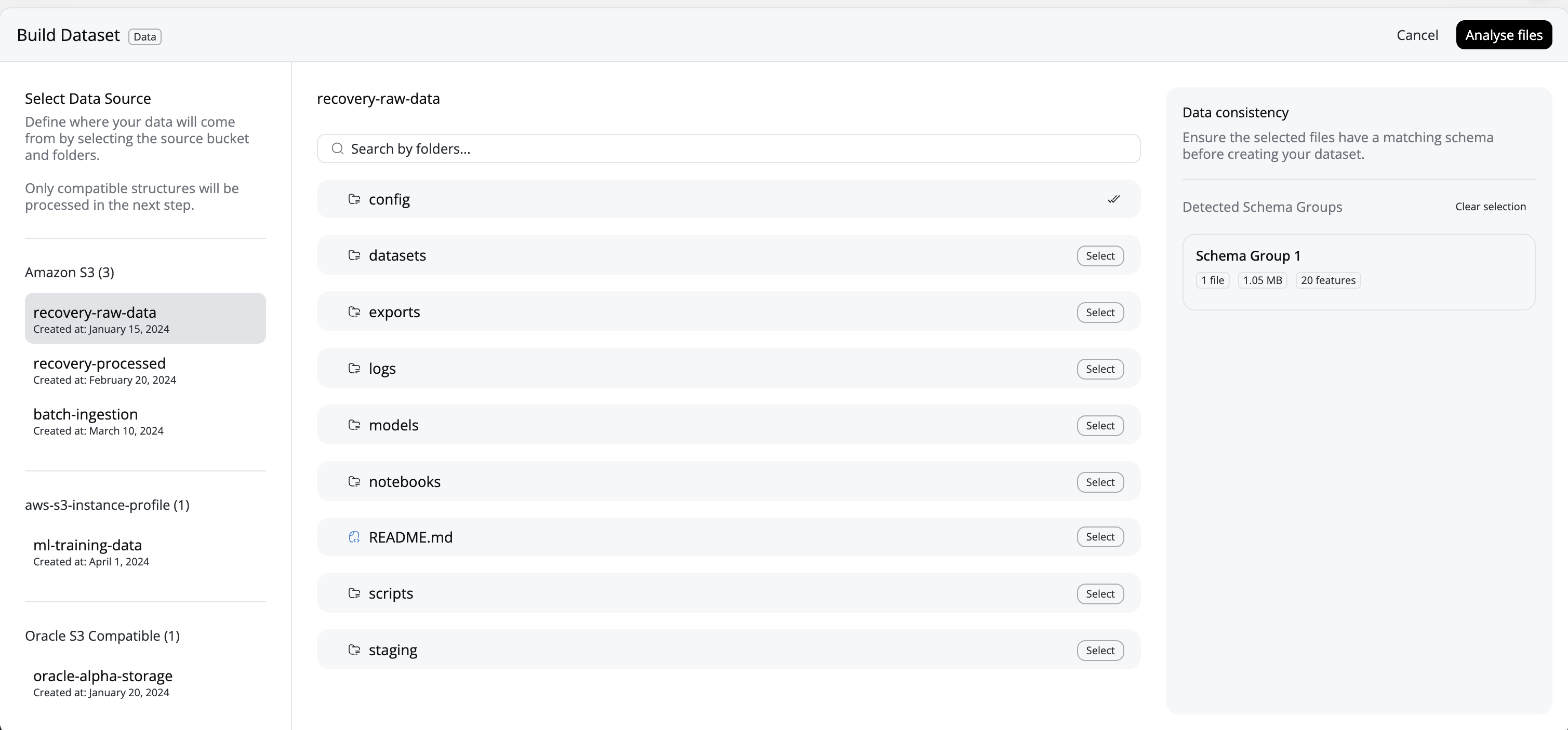
Connect warehouses, lakes, databases and APIs as live integrations. NeoData reads through them directly — there is no ETL pipeline to build and no export to keep in sync. Data Integration
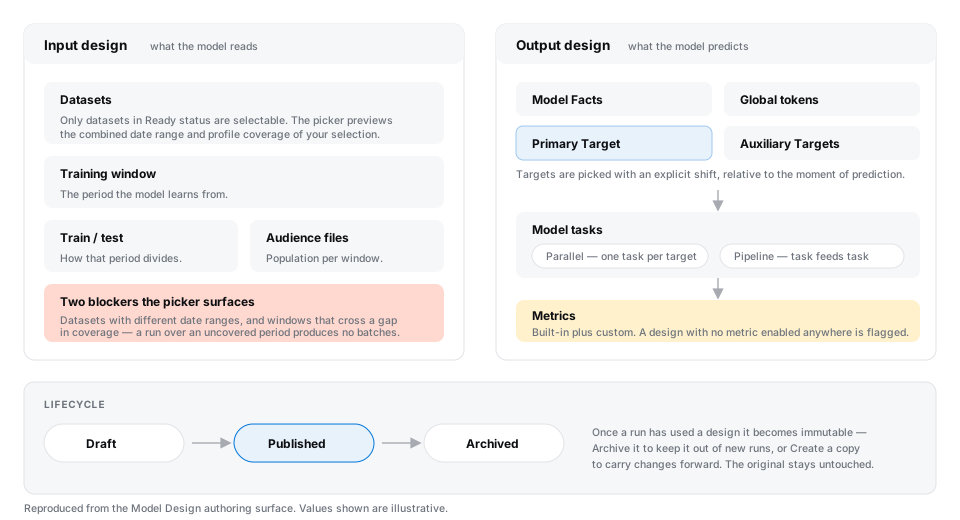
A Model Design fixes the datasets, the time split, the targets and the metrics before any run exists. Two runs from the same design are comparable, and every run points back to what it was built from. Model Design
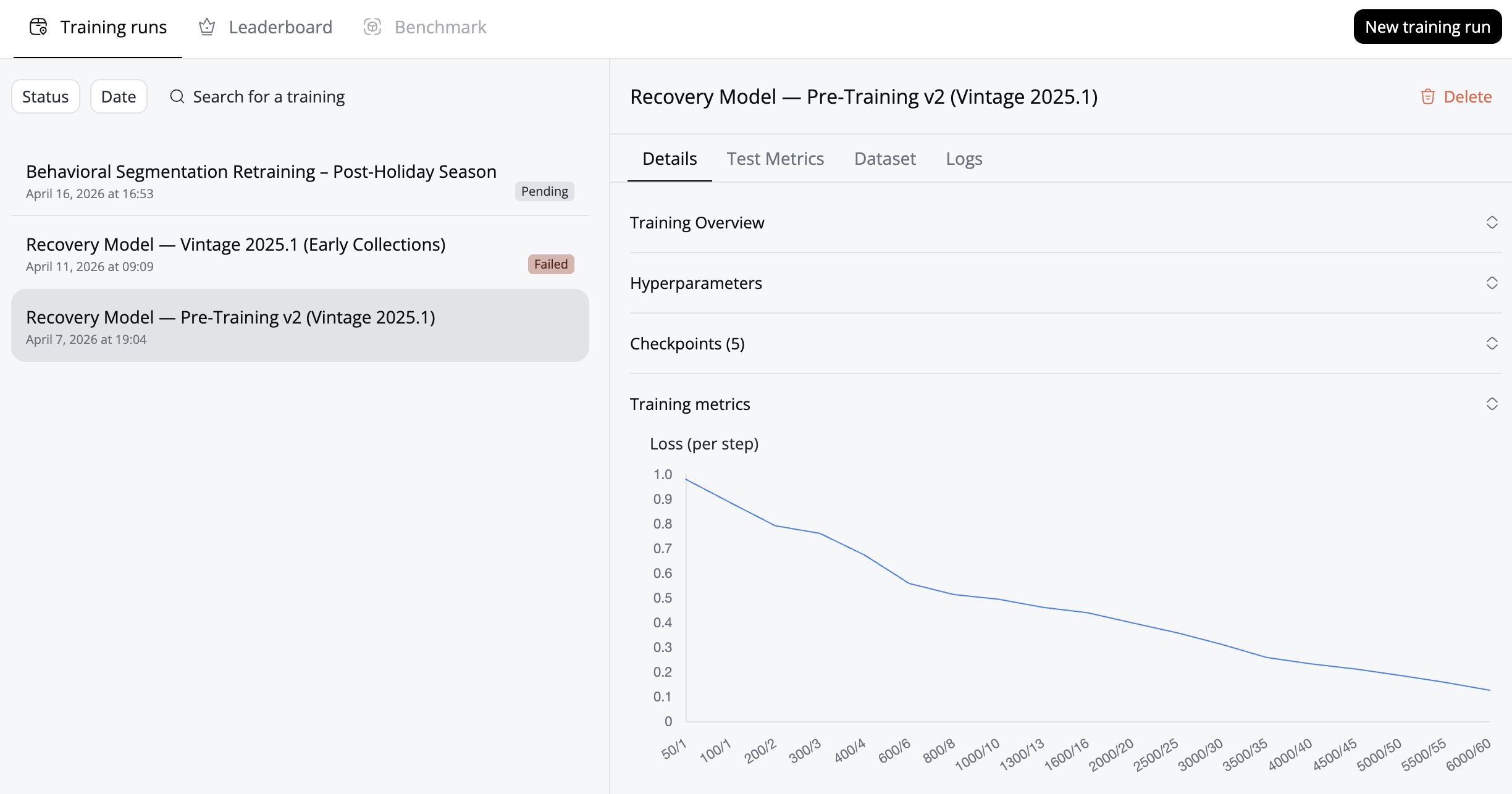
Pre-training builds foundation checkpoints over your data; fine-tuning adapts one of them to a specific task. Each has its own runs and leaderboard, so a new question does not mean training from scratch. Pre-training
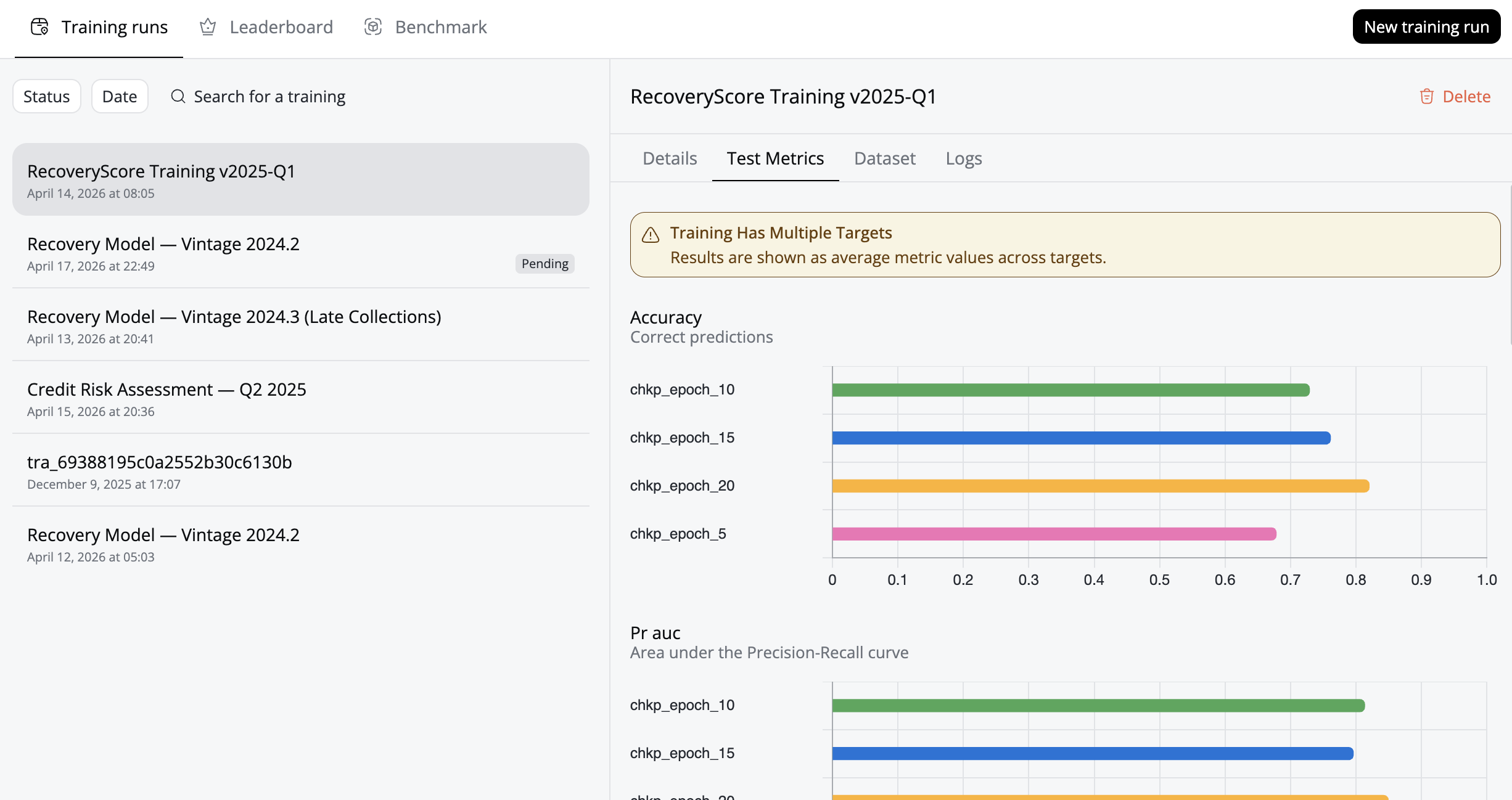
A run’s best checkpoint is rarely its last. Benchmarks hold the comparison fixed, so an improvement you measure is an improvement you can ship. Evaluation
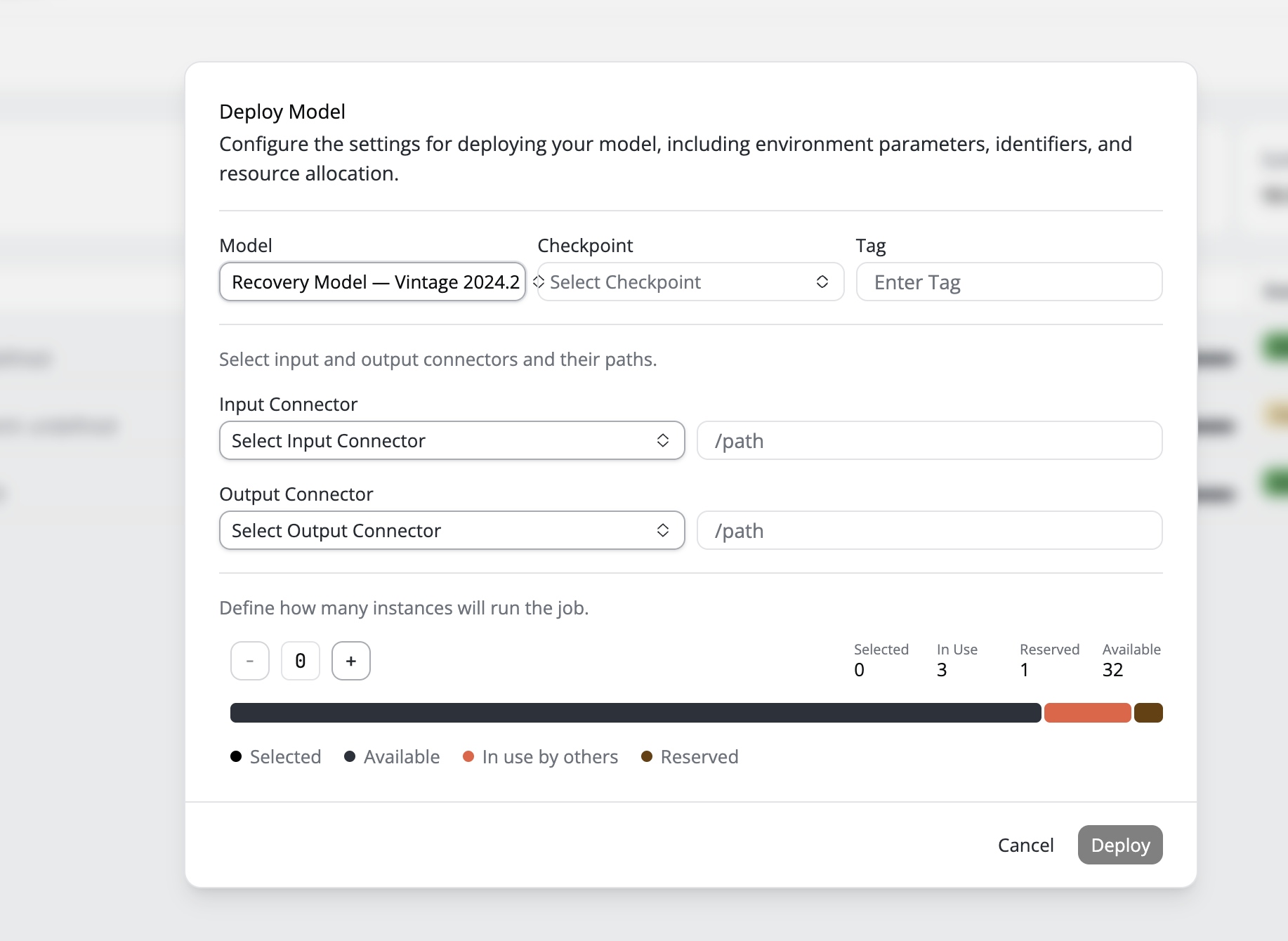
Deploy a checkpoint as an HTTPS endpoint for live requests, or score a whole population offline in one pass. Drift Radar compares each target against a baseline and flags what has moved. Inference Server
Read the full LDM introduction in the documentation →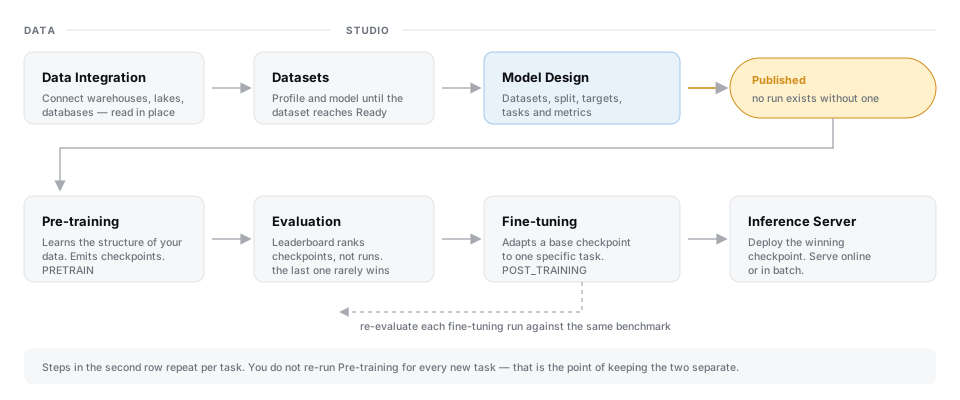
A single path from connected data to production inference — modeled after how teams ship AI on NeoData.

Lakes, warehouses, streams, APIs
Select paths, validate schema
Datasets, split, targets, metrics
Foundation on your corpus
Adapt a checkpoint to one task
Score at production scale
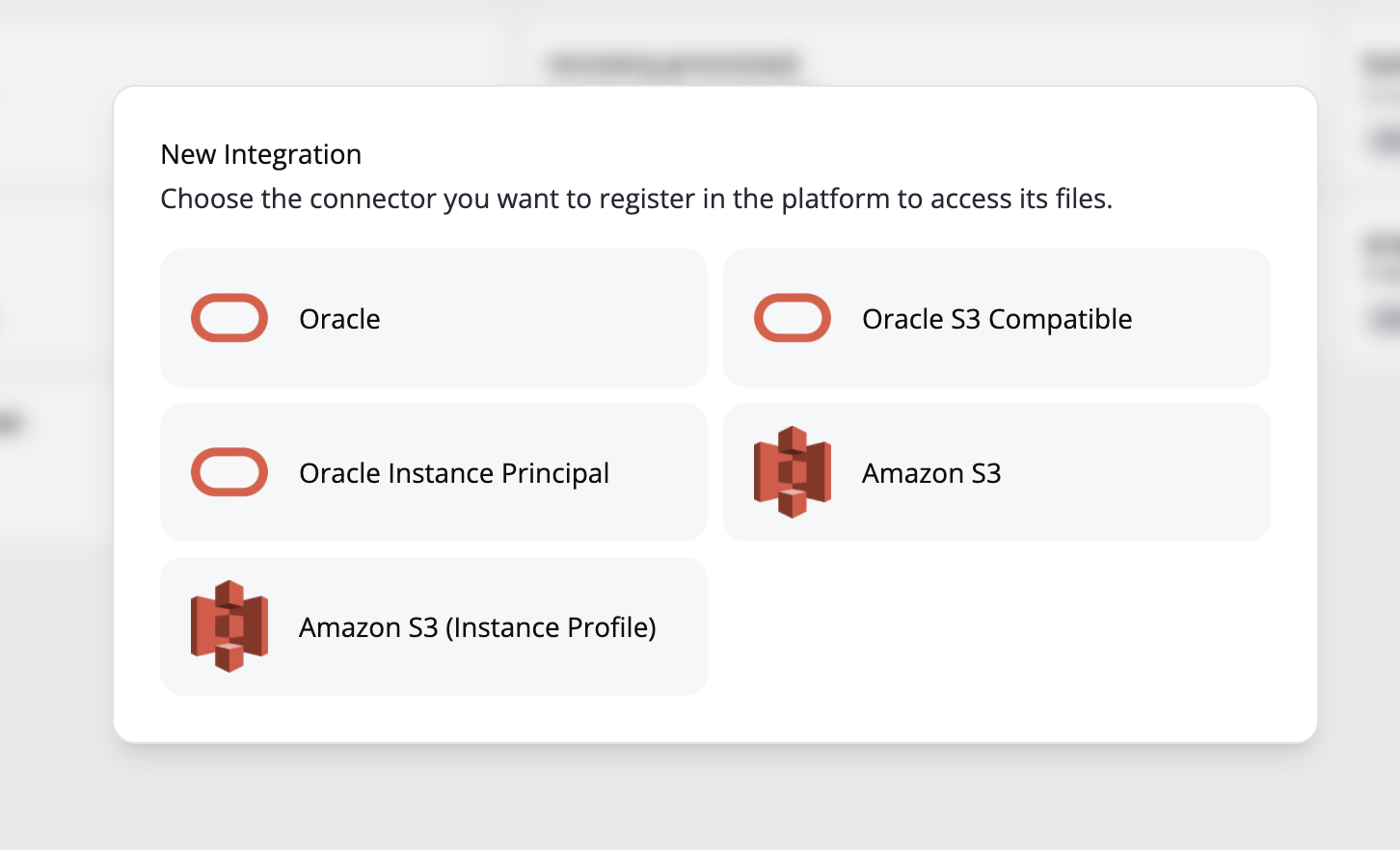
Land structured and unstructured data in NeoData with governed pipelines. The LDM only sees what you connect and approve — ready for training and audit.
After the workflow
The steps above are the product story. Next, these docs cover Spaces, APIs, permissions, and drift monitoring — so what you validate in pre-production still holds when traffic, data drift, and compliance requirements show up for real.
Representative outcomes when LDM is deployed for high-stakes decisioning at scale.
More accurate predictions powered by our advanced data modeling approach.
Faster model training cycles, accelerating experimentation and deployment.
Faster inference speeds deliver instant responses across massive datasets.
Predictions processed in real time, scaling effortlessly to billions of events.
Join leading companies already using NeoSpace LDM to transform data into actionable intelligence.